RAMNAMI COMMUNITY
-
PrizeGold in Book/Documnetry
-
PhotographerSANGHAMITRA SARKAR
-
Socials
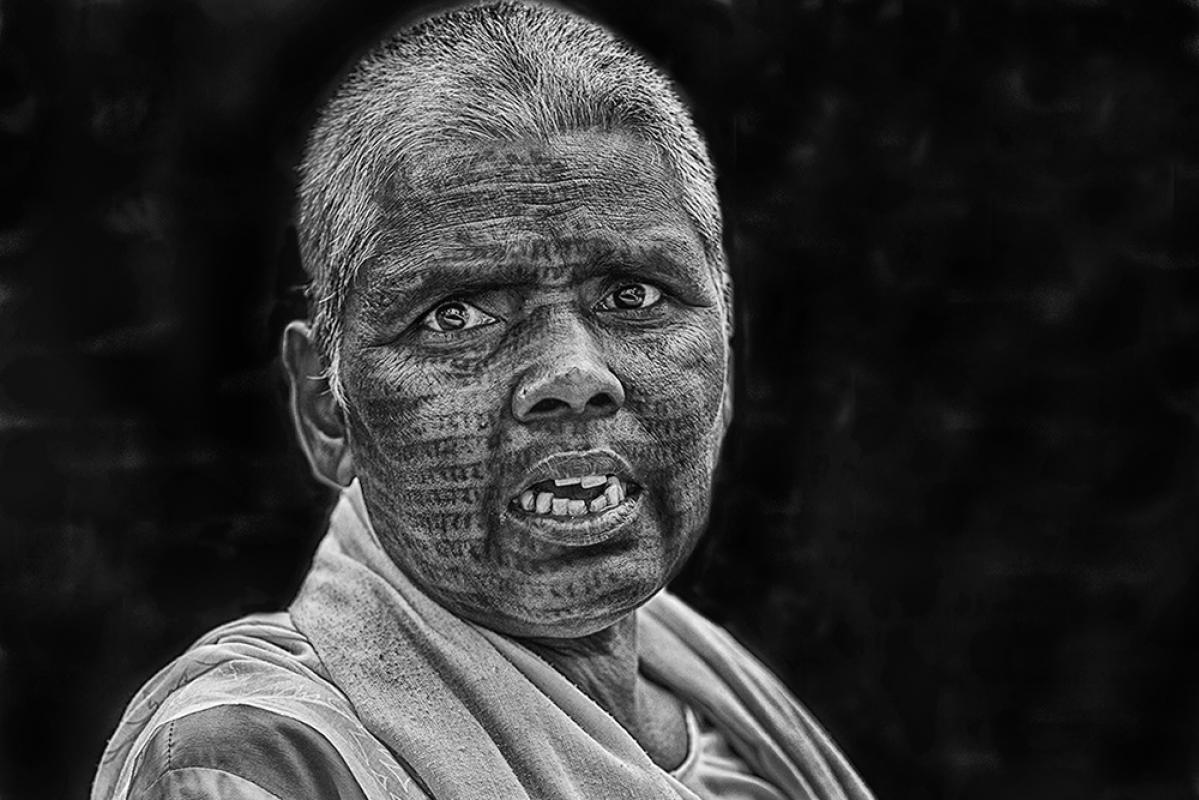
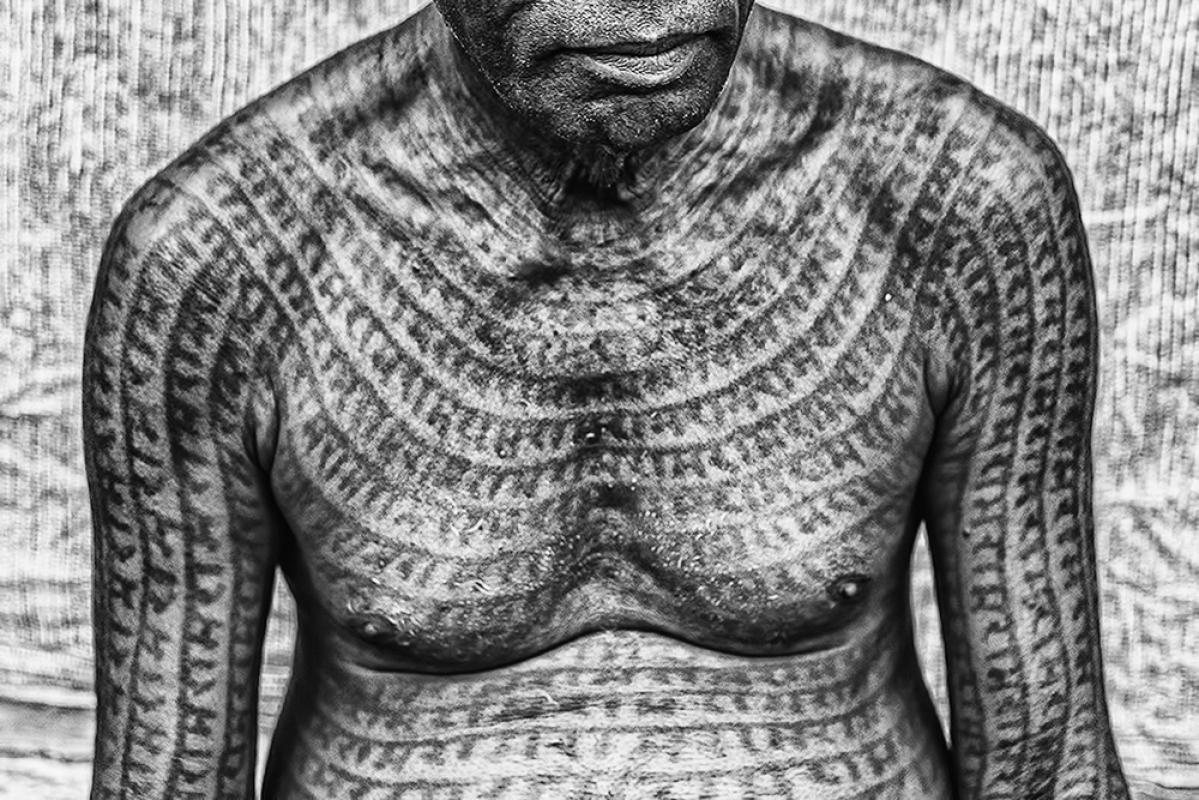
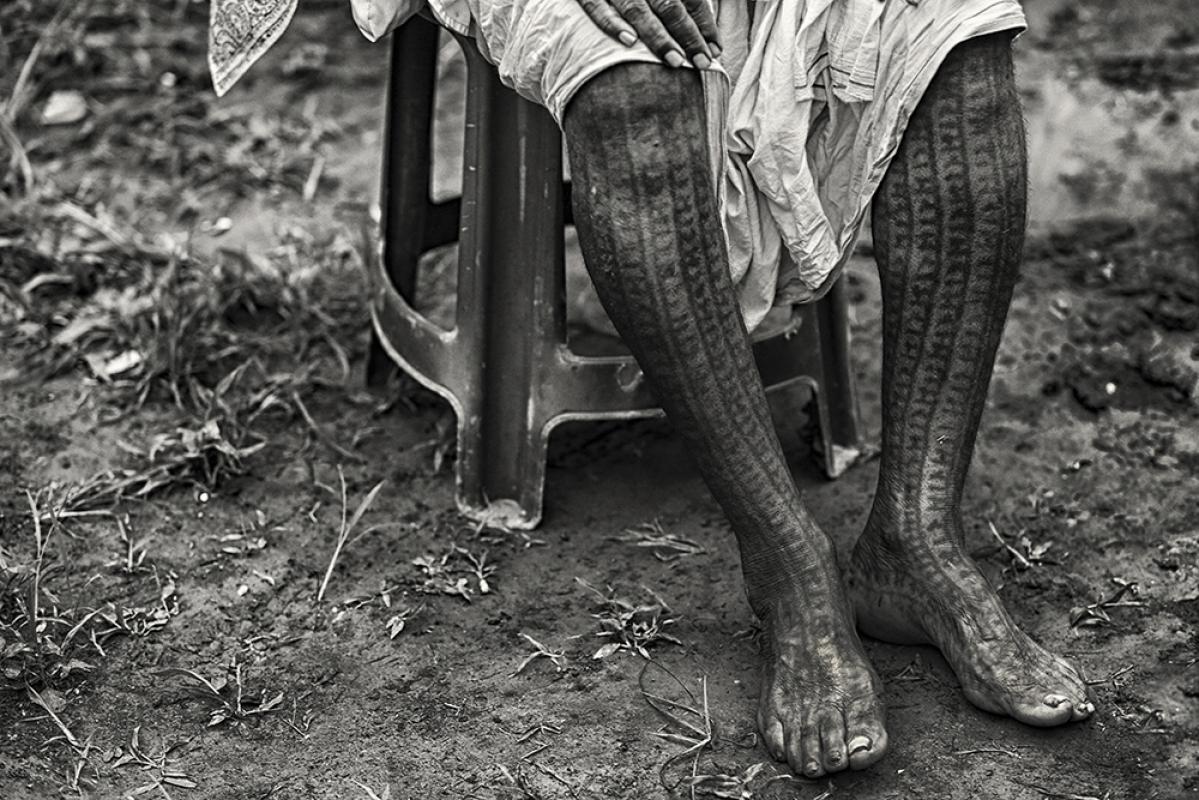
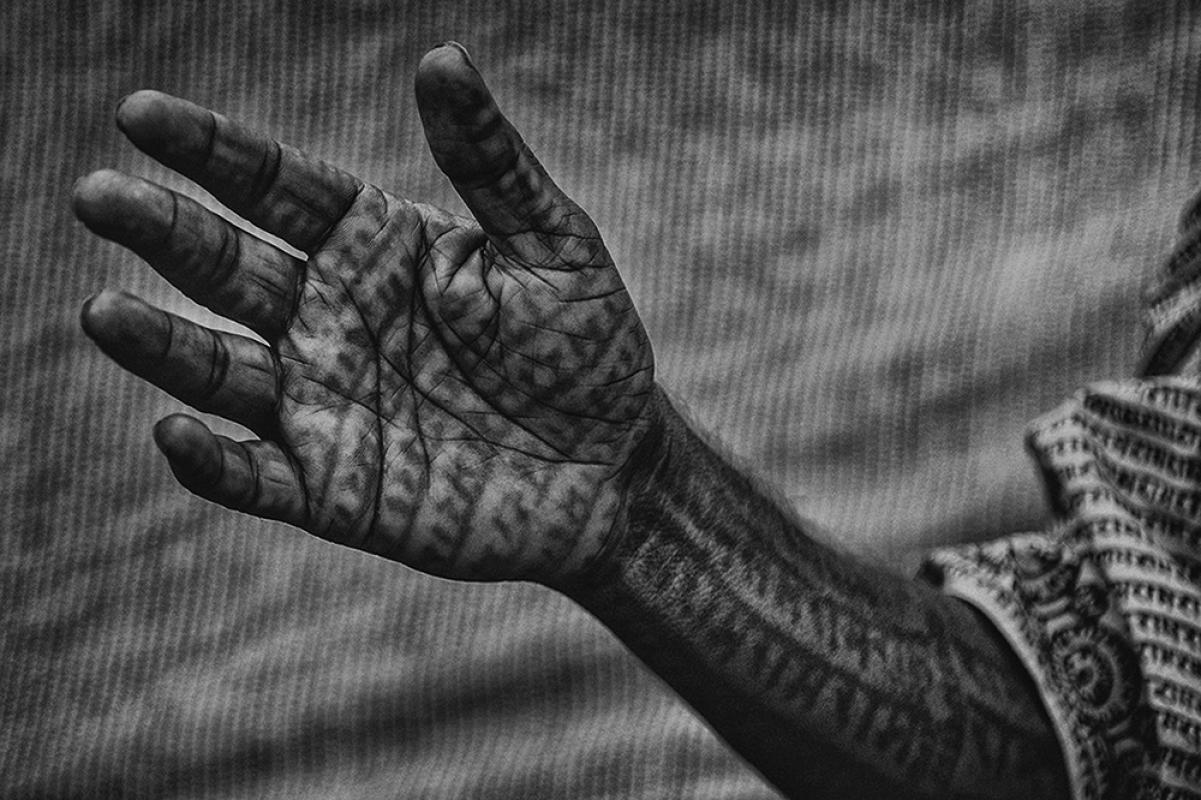
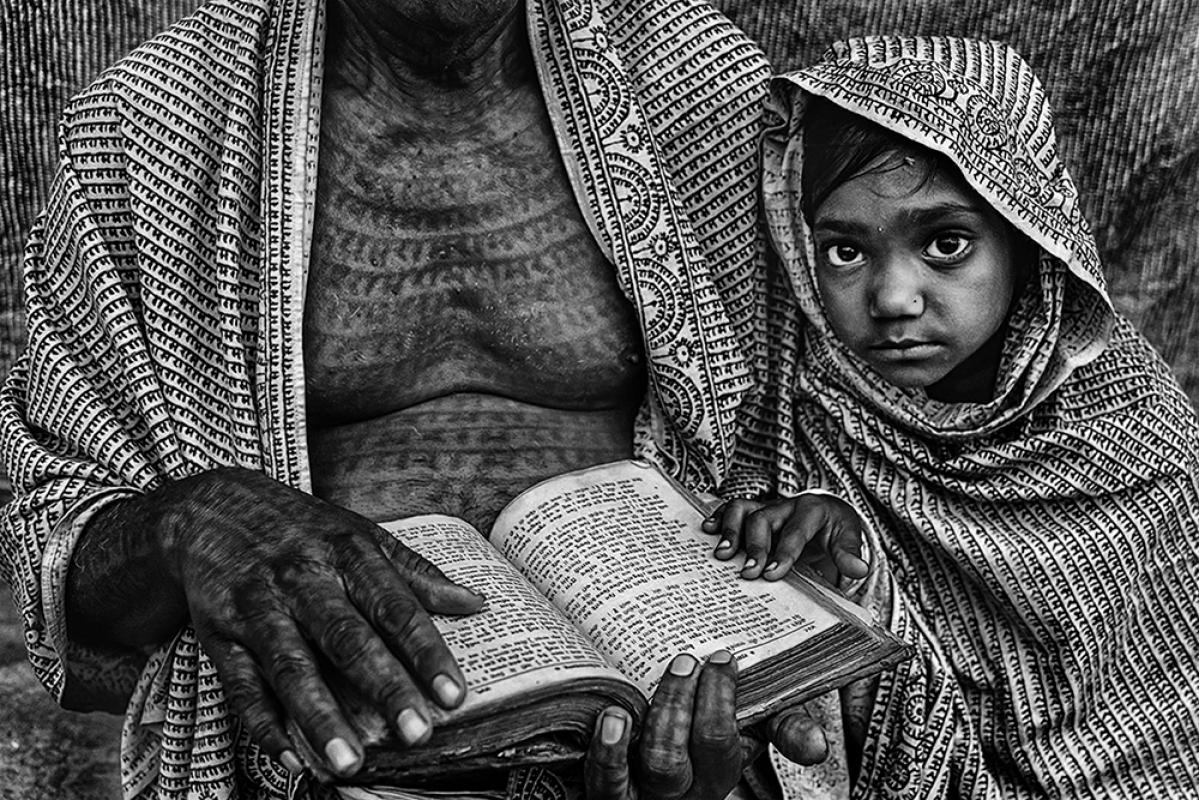
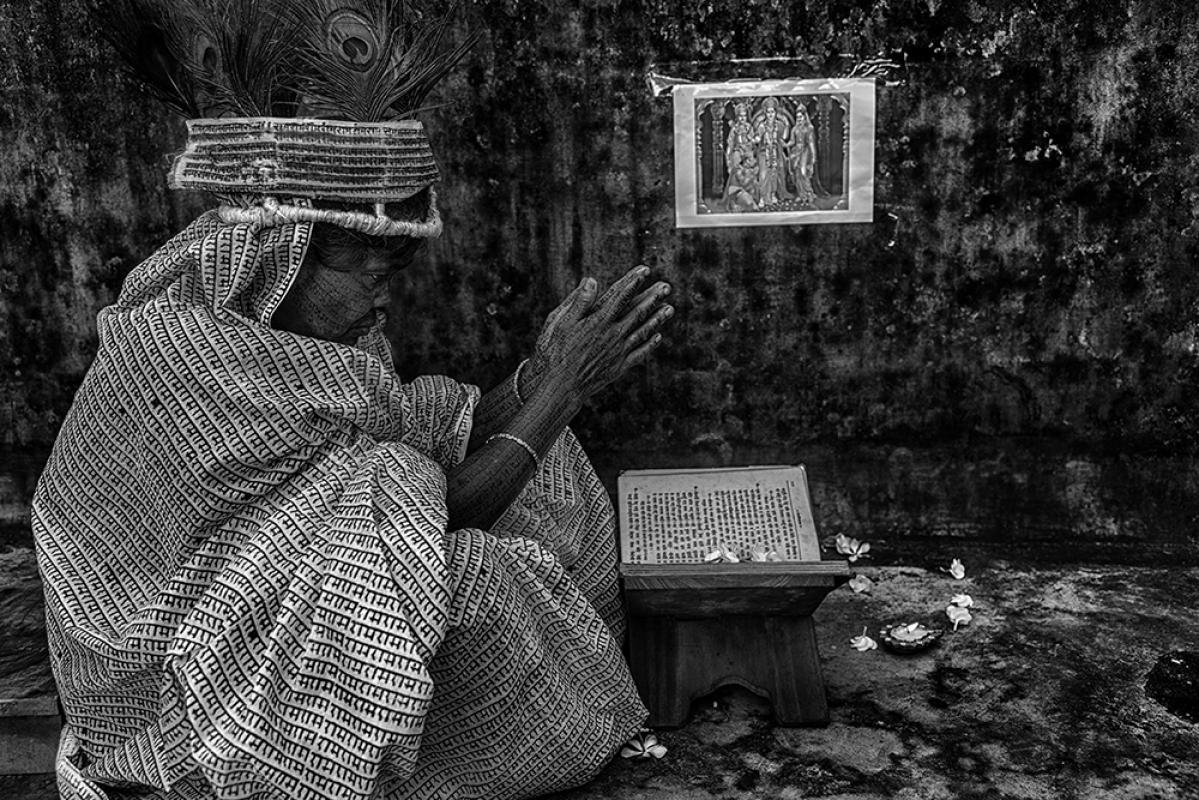
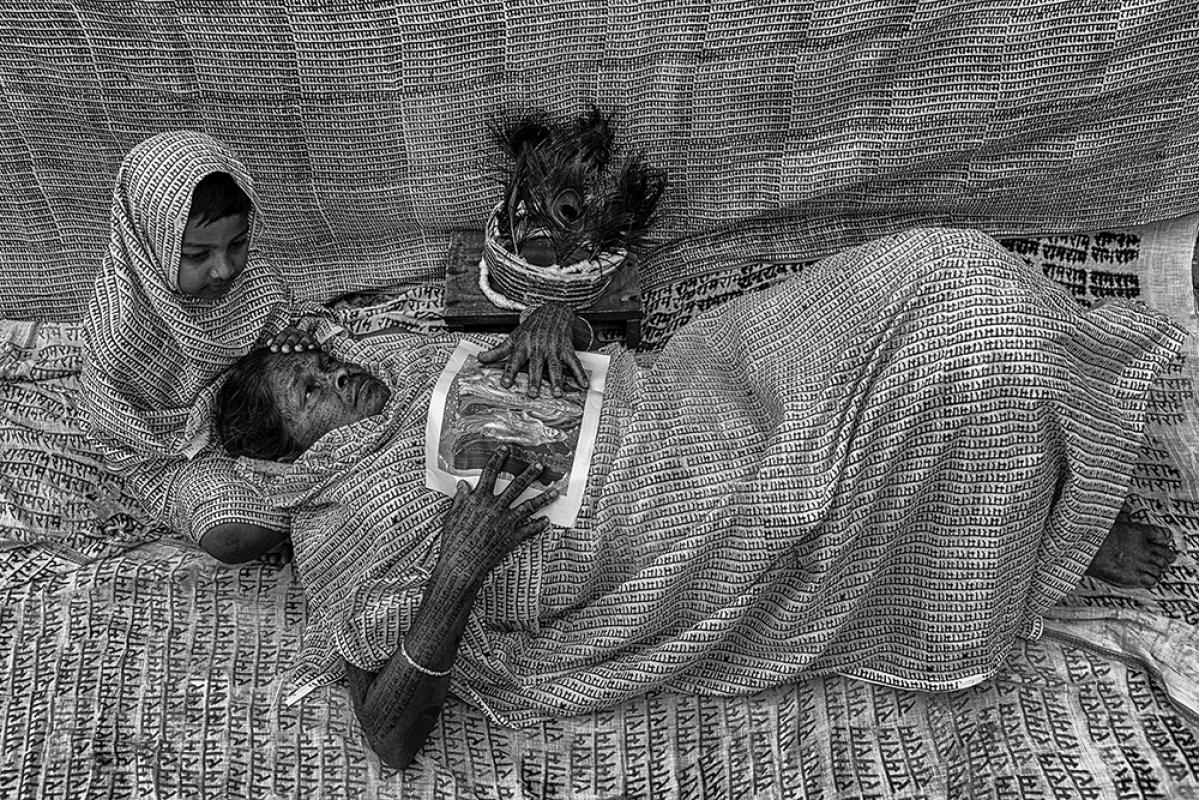
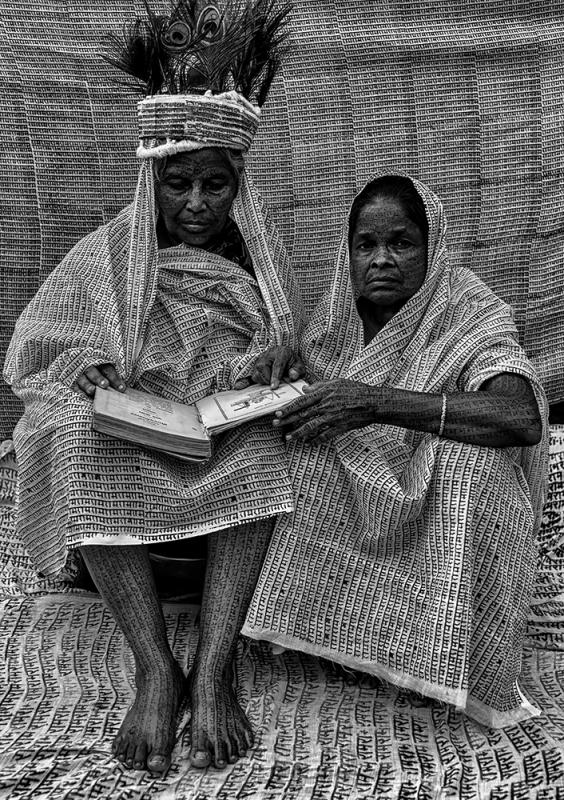
Ramnamis are low-caste Hindus in the eastern state of Chhattisgarh first began tattooing their bodies and faces more than 100 years ago as an act of devotion and defiance after being denied entry to temples and forced to use separate wells. Ramnamis as followers of the Ramnami Samaj religious movement are first wrote the Hindu god Ram's name on their bodies as a message to higher-caste Indians that god is everywhere, regardless of caste. Children born in the community are still required to be tattooed somewhere on their body, preferably on their chest, at least once by the age of two.According to their religious practices, Ramnamis do not drink or smoke, must chant the name "Ram" daily and are exhorted to treat everybody with equality and respect. Almost every Ramnami household owns a copy of the Ramayana epic, a book on Lord Rama's life and teachings, along with small statues of Indian deities. Most followers' homes in these villages have "Ram Ram" written in black on the outer and inner walls. What really caught our eye were the caste-defying tattoos of the Ramnami Samaj in Chhattisgarh, a low caste movement that formed to challenge the social and religious restrictions being imposed upon them by the brahminical hegemony that prevailed. Denied access to temples, religious scriptures and texts, the Ramnamis, who call themselves Ramupasaks, arose during the Hindu reformist movement of the 19th century.
-
BiographyI am an Amateur Photographer.Photography is my passion. I started my photographic carrier from July 2011 after getting my first camera Nikon D90. I started to participate in different international salon from 2011 and got almost 2500 - 3000 acceptance in different salon in different countries. One of my picture was shortlisted as top 10 photographs in the Low light category in Sony world photography competition 2016.My pictures wrer nominated and awarded in Black and white Spider award on 2014,& 2015.